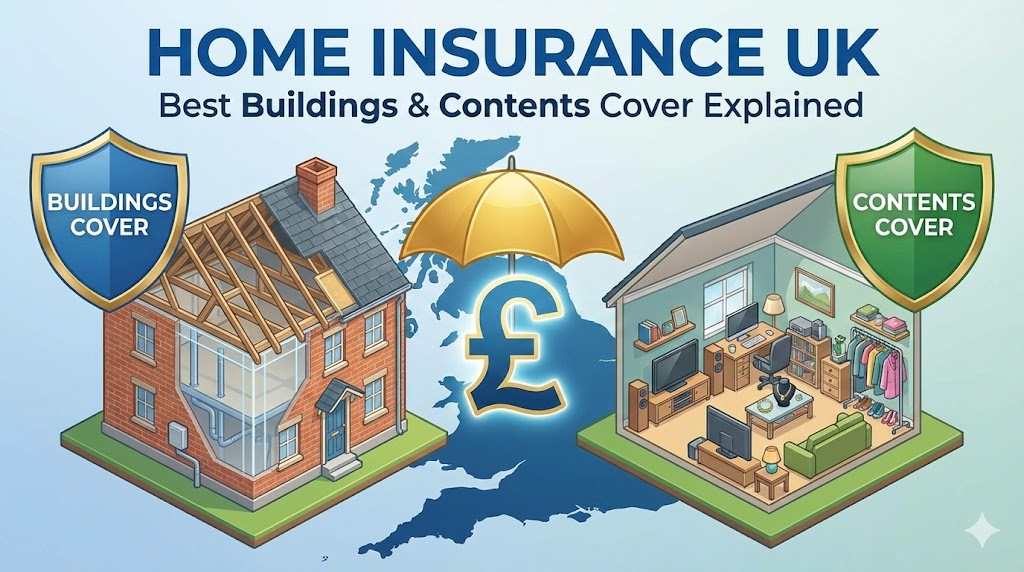
Mastering the Market: The Definitive 2026 Guide to Cheap Insurance
A 2,000-Word Blueprint for Financial Protection without the Premium Price Tag
Table of Contents
1. The New Reality of 2026 Insurance
Insurance in 2026 is no longer a static product. With the advent of hyper-personalization, AI-driven risk modeling, and real-time behavioral tracking, the price you pay for insurance is more fluid than ever. The old adage of "shopping around" still applies, but the way you shop has fundamentally changed.
In this economy, "cheap" insurance is often a trap if not approached with precision. A low premium usually indicates a high level of "transferred risk"—meaning you are responsible for more out-of-pocket costs when things go wrong. To find true value, you must navigate the intersection of high coverage limits and low monthly outflows.
2. Auto Insurance: Gaming the Algorithm
Car insurance premiums are now dictated by telematics. If you are not using a tracking device or app, you are likely paying a "privacy premium." Insurers assume that if you won't let them track you, you have something to hide.
The Rise of Usage-Based Insurance (UBI)
Traditional "flat-rate" policies are becoming obsolete. To get the cheapest rates, you should look for "Pay-As-You-Drive" models. For those who work from home or use public transit, these policies can reduce costs by 50% compared to standard annual policies.
The "Vehicle Selection" Hack
Before purchasing a car, check its "Loss Cost Index." Some vehicles are cheap to buy but expensive to insure because their bumpers are integrated with expensive sensors that cost $5,000 to replace in a minor fender bender. Opting for vehicles with high safety ratings but low repair-cost complexity is the secret to a lower baseline premium.
3. Health Insurance: The Deductible Strategy
Medical inflation in 2026 has outpaced general inflation. To keep your health insurance cheap, you must move away from "Low Deductible / Low Co-pay" plans, which are the most expensive way to buy healthcare.
| Strategy | Potential Savings | Implementation |
|---|---|---|
| High Deductible + HSA | 30% - 40% | Switch to a plan with a $3,000+ deductible and save the difference in a tax-free account. |
| Super Top-Up | Up to 60% | Buy a low-limit base plan ($5k) and a high-limit Top-Up ($50k) with a $5k deductible. |
| Network Narrowing | 15% - 20% | Choose a plan that limits you to specific high-efficiency hospital chains. |
Leveraging Wellness Incentives
In 2026, many health insurers offer "Premium Rebates" for wearable data. By syncing your smartwatch and proving a consistent step count or sleep schedule, you can earn monthly credits that directly reduce your premium. It is quite literally "getting paid to be healthy."
4. Home Insurance: Hardening Your Assets
Climate change has made home insurance the most volatile sector. In many regions, premiums have doubled in the last three years. To find cheap home insurance, you cannot just shop; you must mitigate.
The "Hardened Home" Discount
Insurers are now providing massive discounts for homes that have:
- Smart water-shutoff valves (preventing the #1 cause of claims: water damage).
- Impact-resistant roofing materials.
- Monitored fire and theft systems that link directly to local authorities.
The cost of installing a $200 smart leak detector can often be recouped in a single year through premium savings.
5. Global Tactics for Massive Savings
Regardless of the insurance type, certain universal rules apply to the 2026 market.
The "Annual Pay" Advantage
Insurers love liquidity. If you pay your premium monthly, you are essentially taking a high-interest loan from the insurer. Most companies charge a 5% to 12% "convenience fee" for monthly installments. Paying the full year upfront is an immediate, guaranteed return on your money.
Credit Score Maintenance
Your "Insurance Score" is a shadow metric derived from your credit report. In 2026, insurers use AI to predict your likelihood of filing a claim based on your financial reliability. Improving your credit score from 650 to 750 can drop your insurance costs by 20% overnight—without changing a single thing about your coverage.
6. The Psychology of the "Loyalty Tax"
Insurers use a technique called "Price Optimization." They use data to determine which customers are unlikely to switch providers, and they slowly increase the rates for those loyal customers. This is known as the Loyalty Tax.
To combat this, you must be a "perpetual shopper." Every two years, you should put your current policy out for bid. Even if you don't switch, calling your current agent and mentioning a lower quote from a competitor often triggers a "retention discount" that wasn't previously available.
Final Checklist for the Savvy Buyer
- Audit your riders: Do you still need that jewelry rider for a watch you sold?
- Bundle with care: Sometimes two separate specialists are cheaper than one generalist bundle.
- Ask for a higher deductible: If you have $5,000 in savings, why is your deductible only $500?
- Verify your data: Ensure the insurer doesn't have your address listed in a high-crime or flood zone by mistake.